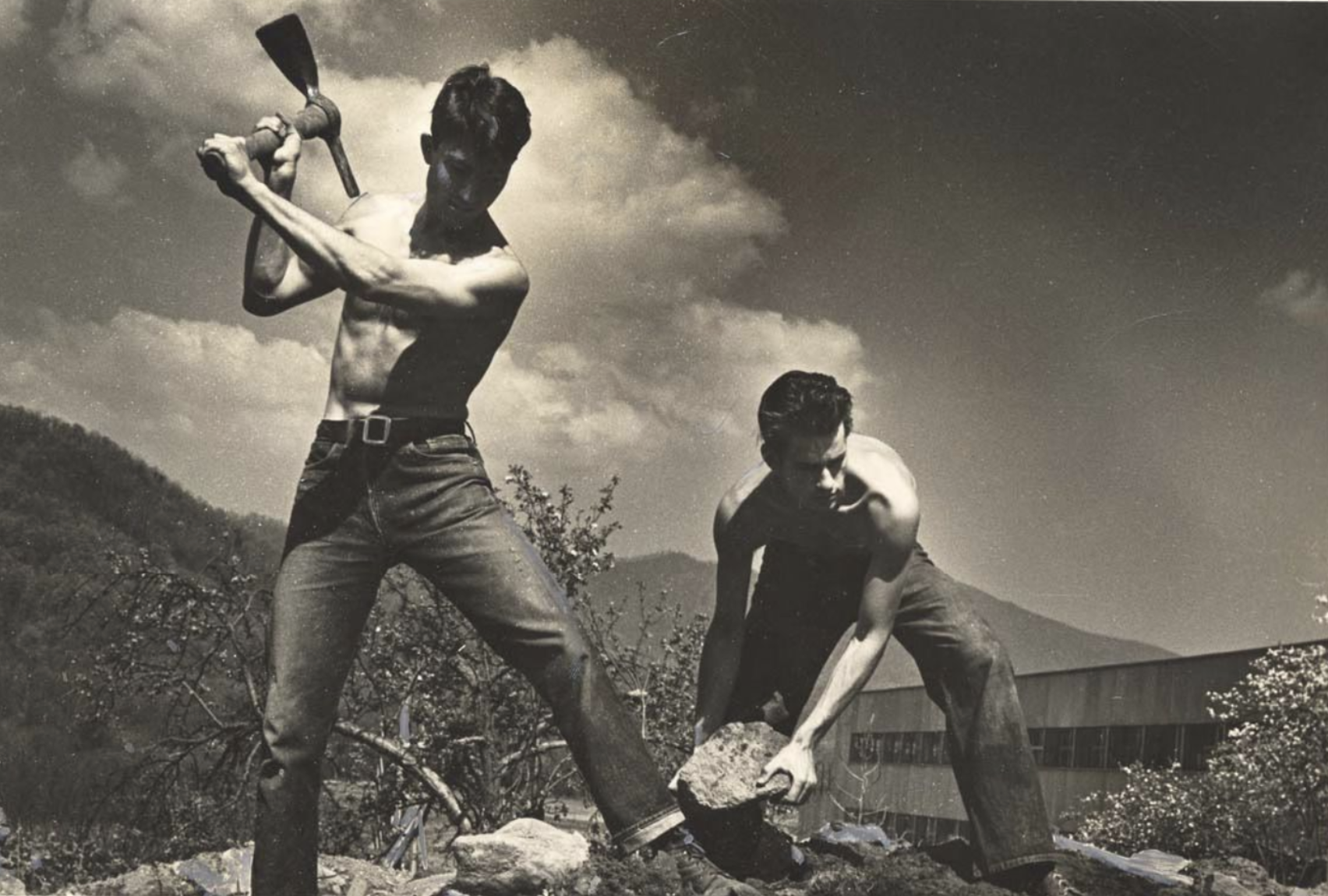
Citizen Architects explores how architecture students have been deployed in full-scale building programs in the United States from the 1920s to the early 2000s. Documenting how these pedagogical practices relate to the social, institutional and political landscapes in which they take place, the book argues that these programs provide a space for design professionals to rearticulate their identity as social progressives when their legitimacy is challenged. Reaching outside traditional institutions, the profession benefits from the aesthetic qualities of non-elite settings, including on the one hand, the improvisational approaches of the urban poor, and on the other, the authenticity associated with agrarian life. These practices are both pedagogy and performances that translate popular understandings of active citizenship into the professional sphere.